


Small business ideas for 2026 are increasingly centered on AI integration and wellness services, reflecting two of the most dynamic growth sectors in the economy. Entrepreneurs looking to launch ventures this year are finding success by combining artificial intelligence tools with personalized health and well-being offerings, creating opportunities that address both the technology boom and the rising consumer demand for wellness solutions.
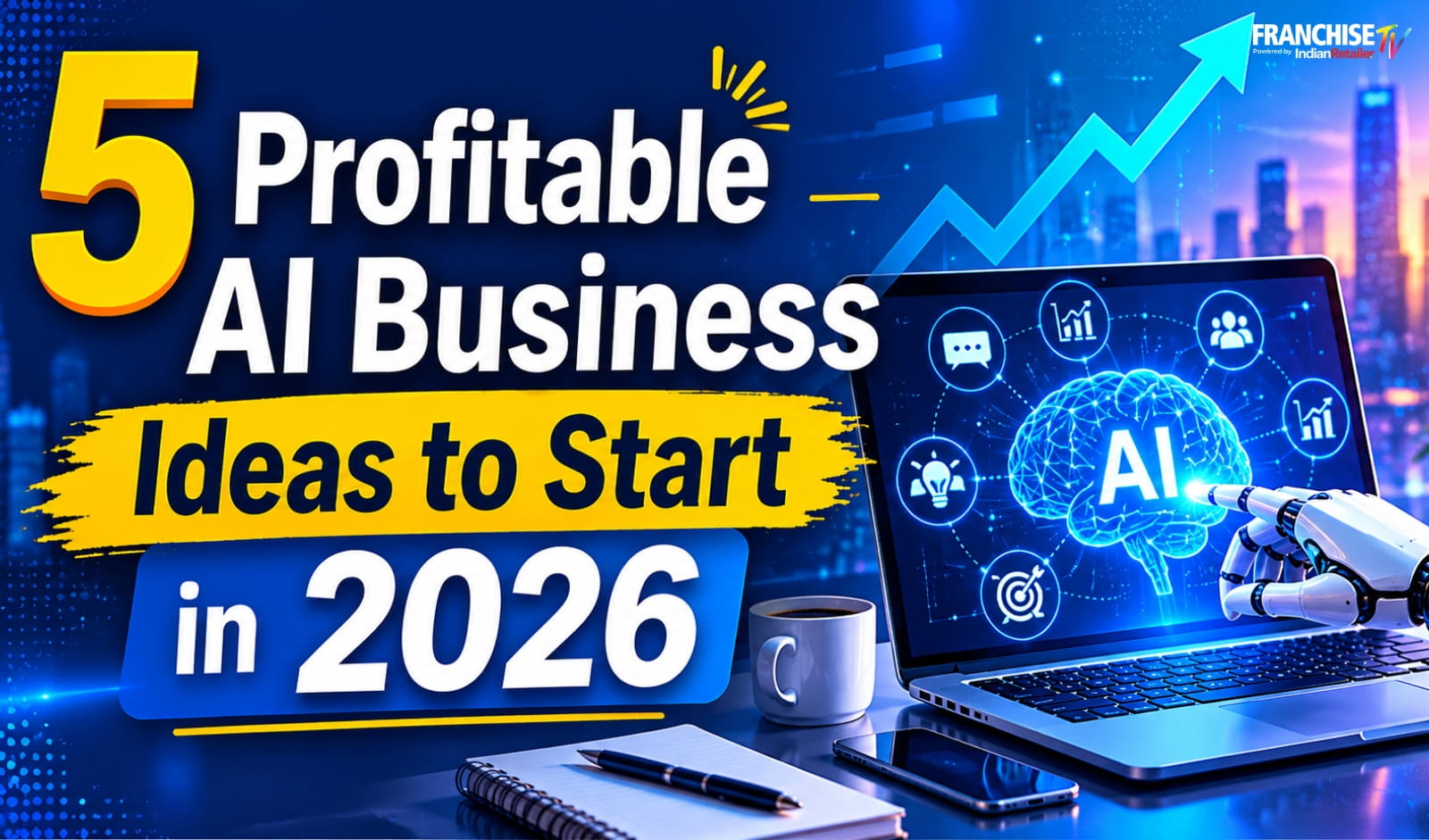
The most profitable AI startup ideas in 2026 focus on vertical AI agents, AI-native workflow tools, and copilots that replace expensive labor, according to IdeaProof’s June 2026 analysis. Rather than building generic AI tools, the winners are creating industry-specific solutions for legal, healthcare, and accounting workflows, with pricing ranging from $100 to $500 per user per month.
The AI market crossed $300 billion in 2025, though 90% of the value is captured by just 10% of companies. This concentration means the real opportunity for small business founders lies not in building another ChatGPT wrapper, but in solving specific, painful problems within vertical industries. A solo founder or small team can now build what used to require a full development department.
Service-based AI businesses are the fastest path to revenue for entrepreneurs with no technical background. Lindy.ai’s June 2026 guide identifies AI content agencies, social media management, resume optimization, and research services as businesses that land first clients within two to four weeks. These models let AI handle the production work while founders focus on client relationships and quality control.
AI-powered marketing agencies are another strong option, where AI generates high volumes of ad variations and content while the founder handles strategy and client judgment. Similarly, voice AI receptionists for local businesses—handling calls 24/7 and booking appointments—are generating recurring revenue for founders who can close local sales, often starting at $500 per month per client.
For those with domain expertise, niche AI writing tools for law, healthcare, or procurement can command premium pricing because professionals in those fields already know that general AI falls short. The key is wrapping specialized knowledge into the tool, not relying on the AI model alone.
The wellness industry is worth $5.6 trillion globally and is one of the fastest-growing sectors, with 2026 trends emphasizing mental health support, flexible wellness policies, preventive care, and personalized, holistic approaches. National Insurance Services reports that employees in 2026 expect personalized wellness support across mental, physical, financial, and women’s health needs.
AI-driven personalization and wearable technology are reshaping corporate wellness. HealthFitness notes that top corporate fitness and wellness trends for 2026 include AI-driven personalization and wearable and bio-monitoring technology. This creates opportunities for small businesses to offer personalized wellness coaching, health tracking platforms, and corporate wellness programs that integrate AI recommendations with human support.
Online yoga studios, meditation apps, health coaching platforms, and corporate wellness programs remain viable small business ideas, but the differentiation in 2026 comes from hyper-personalization. Businesses that combine AI-powered personalization with human expertise—whether in nutrition coaching, fitness instruction, or mental health support—are capturing premium pricing.
Wellness retreat centers, functional medicine practices, and specialized clinics like acupuncture or float therapy studios continue to attract entrepreneurs with capital and domain expertise. These require higher upfront investment but generate strong per-client revenue and benefit from the broader wellness economy expansion.
The convergence of AI and wellness creates hybrid opportunities: AI-powered sleep optimization consulting, personalized nutrition platforms with AI meal planning, and corporate wellness programs that use AI to track employee health metrics while human coaches provide accountability and support. The most successful 2026 small businesses in this space combine technological efficiency with the human touch that wellness customers increasingly demand.
Be the first to rate this post
or leave a detailed review
Chris Martin is a US economics and current affairs journalist covering the intersection of policy, markets, and everyday financial life. With a background in financial reporting and a sharp eye for the stories behind the numbers, Chris brings clarity to some of the most complex issues shaping the American economy today. At ECIKS.org, Chris covers breaking developments across domestic economic policy, business strategy, Wall Street movements, and political decisions that ripple through financial markets. His reporting blends rigorous data analysis with accessible storytelling making critical information useful for investors, entrepreneurs, and engaged citizens alike.
ECIKS.org is an independent media. Support us by adding us to your Google News favorites:
@ 2026 | All rights reserved | ECIKS.org



Recent Comments